

Coffee enthusiasts across the globe understand that the journey from coffee bean to brew is a detailed and intricate process that transforms the modest coffee bean into the treasured beverage relished on a regular basis. Every cup of coffee shares a narrative, starting at the point of origin where coffee plants prosper, often in hilly regions that offer perfect growing conditions. The specific varieties of coffee beans, such as arabica coffee beans, are produced with dedication, resulting in distinct flavors and characteristics that delight discerning palates.
Once gathered, these coffee beans go through a meticulous process of roasting that enhances their natural flavors. The outcome is roasted coffee beans that can be ground into various consistencies for brewing. You might like whole bean coffee to grind fresh at home or ready-to-use ground coffee for swift preparation, the selection significantly affects the final cup. Specialty coffee offers an superior experience for those seeking the finest quality, allowing for a satisfying tasting journey with each sip of freshly ground coffee made from premium coffee beans.
Comprehending Brew Beans
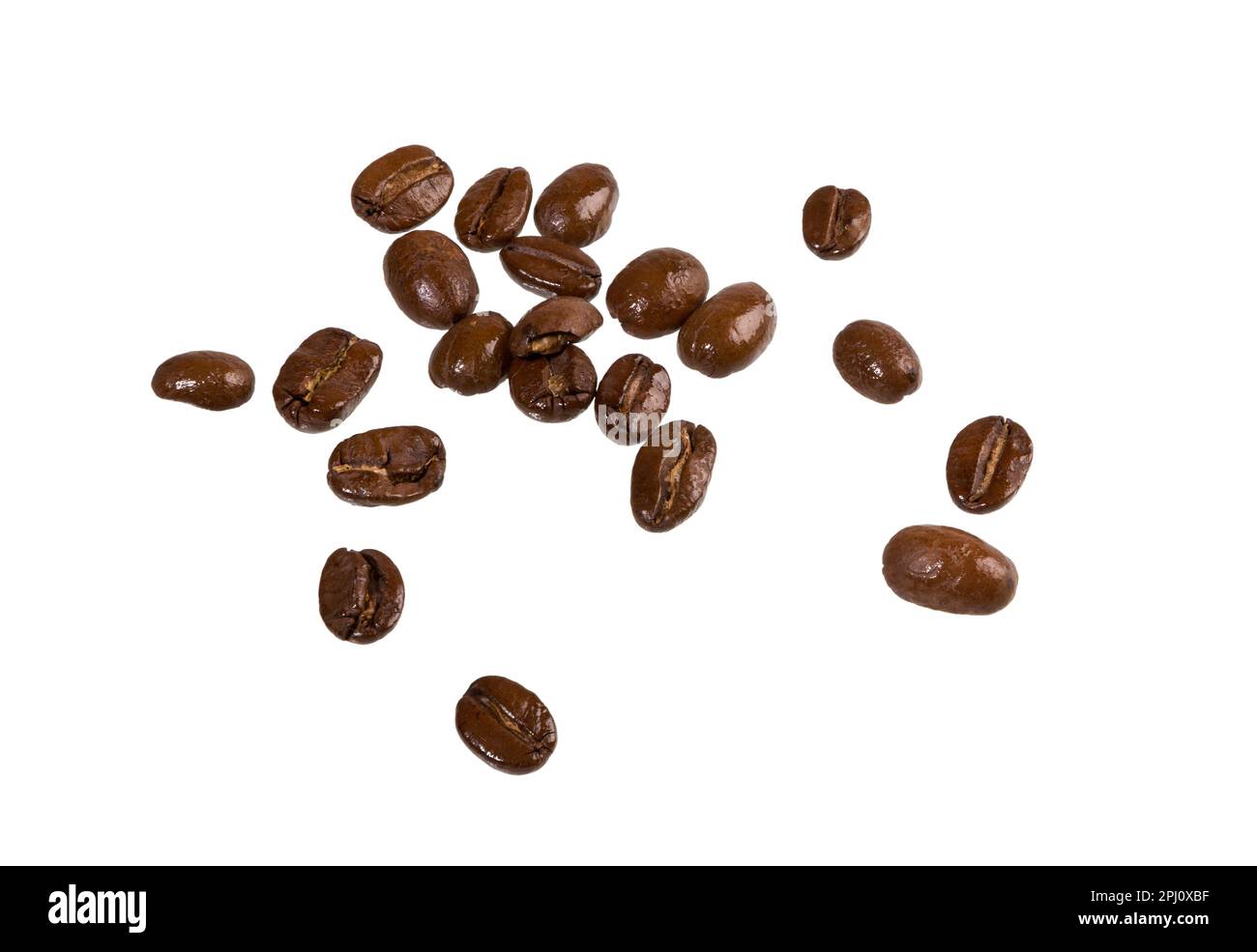
Java seeds are the pits of the brew plant and are primarily classified into a couple of major types: arabica coffee and robusta coffee. Arabica coffee beans are known for their silky, flavorful flavor and are often considered to be of higher quality. They thrive in specific environments and altitudes, which adds to their distinct characteristics. On the other hand, robusta beans have a bolder, extra harsh taste and are usually cultivated in lower heights. Understanding these types is essential for both brew aficionados and casual consumers alike, as it influences the overall experience of your preferred brew.
The journey from bean to brew begins with freshly picked java cherries, which are then processed to obtain the beans. This process includes selecting wet or dehydrated methods, influencing the resulting flavor profiles. Once the seeds are extracted, they are often dehydrated and then roasted. Roasting transforms green java beans into the roasted java beans we are familiar with, revealing the rich flavors and aromas that characterize gourmet java. Various toasting grades—mild, mid, and bold—each bring out unique traits and tastes in the coffee.
Following the roasting process, the beans can be sold as entire bean coffee or milled brew. Complete bean coffee preserves its freshness longer, allowing coffee lovers to grind their own beans just before making, resulting in a more vibrant mug of coffee. Freshly milled brew maximizes the flavors locked within the beans, enhancing the overall brewed process. If you prefer arabica seeds or different variety, comprehending the journey from bean to brew is crucial for appreciating the craft of brewing.
The Roasting Technique
The roasting technique represents an critical phase in transforming raw coffee beans into the aromatic and flavorful beverage we love. When raw coffee beans are roasted, they experience an series of physical and chemical transformations. The heat causes the beans to grow and their natural sugars inside them to caramelize, resulting in the rich flavors associated with freshly roasted coffee. This moment is where the unique characteristics of the beans are highlighted, influenced by various type of coffee beans selected, whether it be arabica or robusta.
During roasting, meticulous attention must be paid to the duration and temperature to achieve the desired roast level. Light roasts tend to retain more of the beans' original flavors, while medium and dark roasts develop deeper, bolder notes. Specialty coffee often displays unique tasting profiles that are the direct consequence of the roasting method and its origin of the beans. Roasters experiment with different techniques to emphasize these flavors, resulting in an diverse range of options for coffee lovers.
Once roasted, coffee beans must be cooled rapidly to prevent over-roasting. This can be accomplished through air cooling or water quenching. After cooling, the beans begin to emit gases, primarily carbon dioxide, which can affect their flavor over time. For optimal best brewing experience, it is crucial to use freshly ground coffee made from freshly roasted coffee beans. Whole bean coffee allows for the flavors to be preserved until you are ready to brew, ensuring a delightful cup every time.
Brewing Methods
Brewing coffee is an art that can significantly impact the taste and aroma of your cup. Different methods can extract various characteristics from the coffee beans, allowing lovers to customize their experience. One common method is the pour over technique, where hot water is poured onto freshly ground coffee in a circular motion. This enables for exact control over the brewing duration and extraction, leading to a clean and complex taste profile. Using high-quality arabica coffee beans can improve this process, as their subtle flavors shine through when prepared with care.
Another widely utilized method is the French press, which offers a more robust and fuller-bodied coffee. Ground coffee is steeped in hot water, permitting the oils and sediment to remain in the brew, adding to its strong flavor. To make the ideal French press, it is crucial to use freshly ground coffee and allow it to steep for about four minutes prior to pressing down plunger. This technique highlights the depth of flavor in roasted coffee beans, making each sip into a delightful experience.
In conclusion, espresso is a concentrated brewing method that relies on high pressure to pull out flavors quickly from finely ground coffee . This technique requires precision, from the grind size to the water temperature. Espresso serves as the base for many coffee drinks and is admired for its strong taste and creamy consistency. Perfecting this technique allows coffee lovers to appreciate the complex profiles of speciality coffee, showcasing the unique features of different beans and their sources.